

Across Burkina Faso, each planting season begins with a gamble. Farmers sow their fields without knowing whether the rains will arrive on time, last long enough to nourish their crops or come so intensely that they wash them away. For millions of rural households, that uncertainty shapes not only the harvest but also their income, food security and future.
The stakes are especially high in a country where agriculture underpins both livelihoods and the economy. Over 80 percent of the population is engaged in activities related to agriculture, livestock, forestry or fisheries, sectors that account for almost 40 percent of the national GDP.
Farmers face increasingly precarious conditions. Rainy seasons are becoming shorter and more erratic, while droughts and floods are becoming more frequent. These climate shocks, compounded by soil degradation and deforestation, are placing unprecedented strain on the smallholder farmers who form the backbone of the nation's food system. Traditional coping strategies, such as selling off livestock or other assets in times of crisis, have resulted in families becoming more vulnerable to the next climate disaster.
Recognizing the growing risks posed by climate change, the Government of Burkina Faso has been an early leader in adaptation planning. In October 2015, Burkina Faso became the first country in the world to submit its National Adaptation Plan (NAP) to the UNFCCC. More recently, in March 2025, the country submitted an updated NAP which, alongside the country's Nationally Determined Contribution (NDC), recognize the particular vulnerability of smallholder farmers and identify climate insurance as an important tool for safeguarding rural livelihoods and ensuring sustainable food security.
In line with its national priorities, in 2021, the government, in partnership with UNDP and with financing from the Global Environment Facility-managed Least Developed Countries Fund (GEF-LDCF), launched a six-year project aimed at helping farmers to proactively manage climate risks, protect their livelihoods and recover more quickly when shocks occur.
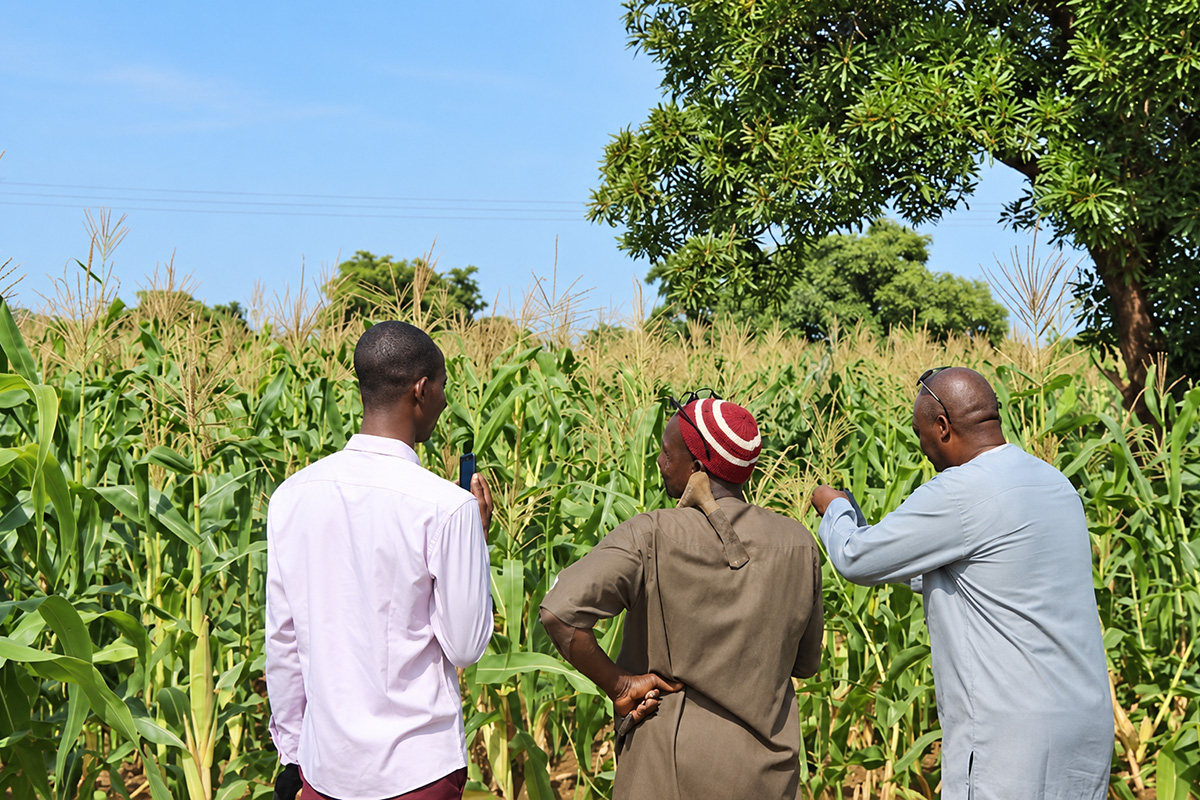
Smallholder farmers worldwide are adapting to unpredictable weather. Photo: Ministry of Agriculture, Water, Animal and Fisheries Resources
How index-based weather insurance works
Traditional crop insurance, which relies on field visits to assess individual farm losses, has proven to be expensive, slow and largely inaccessible for the millions of smallholder farmers in Burkina Faso. As a result, many farmers have little or no financial protection when drought or excessive rainfall damages their crops. A more accessible model that can reach more farmers is needed – one that can trigger payments without the time and cost involved in assessing every farm individually.
The project Promoting Index-Based Weather Insurance for Small Holder Farmers in Burkina Faso seeks to address this gap by introducing index-based weather insurance. This model decouples insurance payouts from individual losses and instead links them to pre-determined weather triggers, such as a specific number of days without rain or a sudden, extreme rainfall event. These triggers are monitored by a network of automated weather stations, ensuring that compensation is objective, transparent and rapidly disbursed when a climate shock occurs.
This approach gives insured farmers a practical way to manage climate risk and recover more quickly when shocks occur. In the event of climatic hazards, farmers are compensated, which allows them to secure their incomes and recover more quickly. The rapid injection of capital enables families to purchase food, invest in the next planting season and avoid selling vital assets.
In addition to insurance, the project also offers farmers a "resilience package" of tools and knowledge needed to manage increasingly unpredictable growing conditions. This includes access to high-quality, climate-resilient seeds (such as drought-resistant varieties of sorghum and millet), training in sustainable agricultural practices, and financial education to improve risk management and investment decisions. Together, these measures help farmers recover from climate shocks, prepare for future risks and build resilience over time.
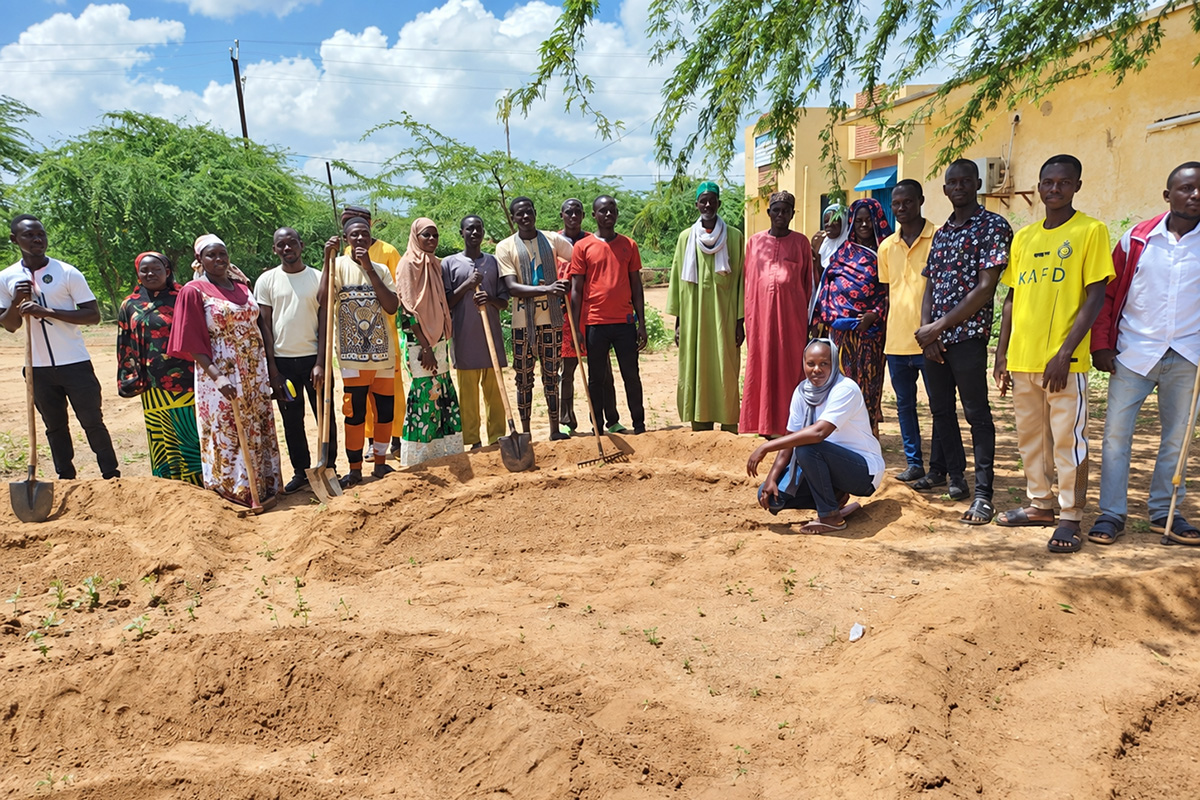
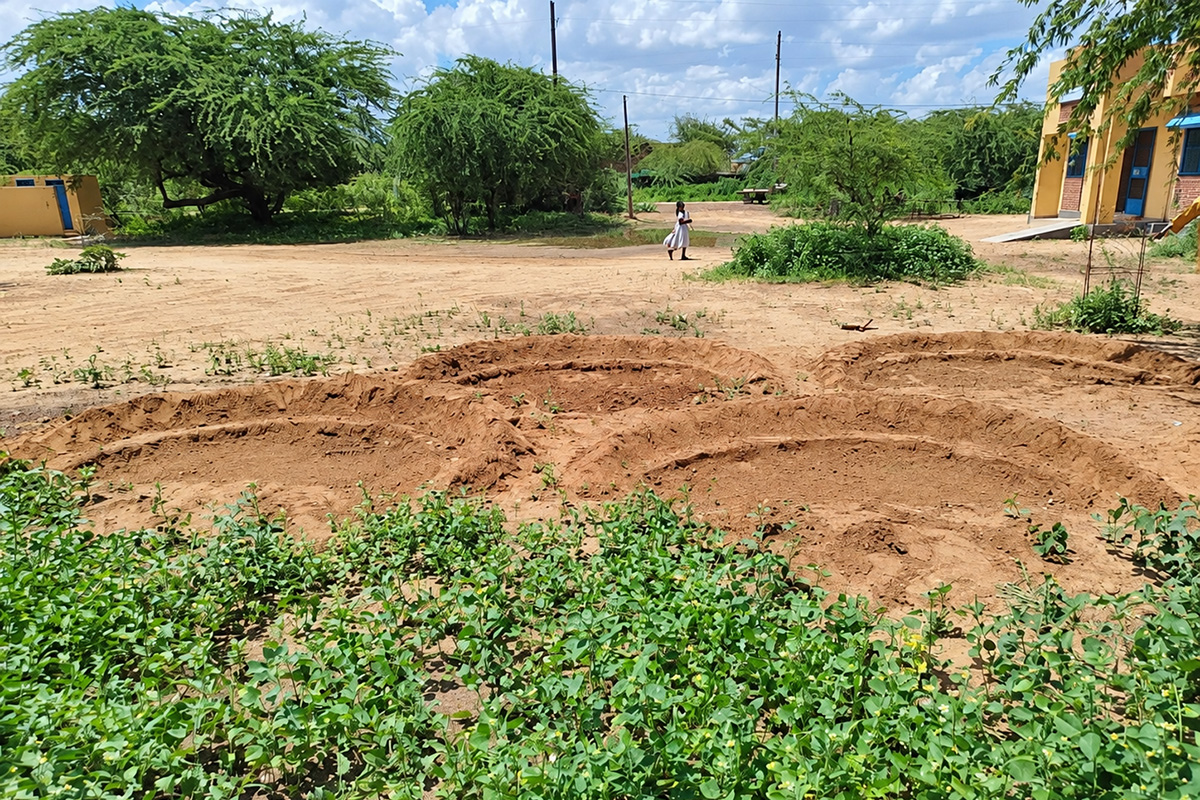
Training for farmers on climate-resilient agricultural practices in Dori. Photos: Ministry of Agriculture, Water, Animal and Fisheries Resources
To help farmers understand and access agricultural insurance, the project ran outreach campaigns explaining the available products, their benefits and how to enrol. Information was shared through local radio and television broadcasts, community events, farmer organizations and a network of trained community representatives known as “farmer-relays.” These representatives work directly with rural communities to build understanding of climate insurance and encourage farmers to enrol.
Measurable impact and a focus on inclusion
The project has already shown promising results. As of June 2026, more than 8,100 farmers, including more than 3,100 women, had enrolled in the insurance scheme, while 13,270 people, including more than 5,200 women, had benefited from complementary resilience measures. More than 12,600 hectares of key staple crops, including maize, sorghum, millet and cowpea were protected across the three pilot communes of Dori in Séno (Liptako Region, formerly Sahel) and Safané and Tchériba in Mouhoun (Bankui Region, formerly Boucle du Mouhoun). Between 2022 and 2025, drought and excess rainfall triggered payouts to 924 insured farmers, who received a total of more than 18.3 million CFA francs (approximately US$32,455) in compensation.
Recognizing that women are often disproportionately affected by climate change while facing greater barriers to accessing resources and participating in decision-making, the project has made gender equality a central priority. As of June 2026, women represented 38 percent of insured producers, 43 percent of those trained in climate-resilient agricultural practices and 36 percent of those receiving financial education. That participation matters. As women gain greater access to insurance and training, they are better positioned to protect their livelihoods and plan for an uncertain future — with benefits extending across households and communities.
Expanding participation is only part of the equation: index-based insurance also depends on reliable, local weather data. To build this foundation, the project supported the purchase and installation of seven automatic weather stations and 128 community-managed rain gauges. This infrastructure provides the data needed to determine when insurance payouts are triggered, while also bolstering the capacity of Burkina Faso’s National Meteorological Agency (ANAM) to provide accurate and timely climate information across the country.
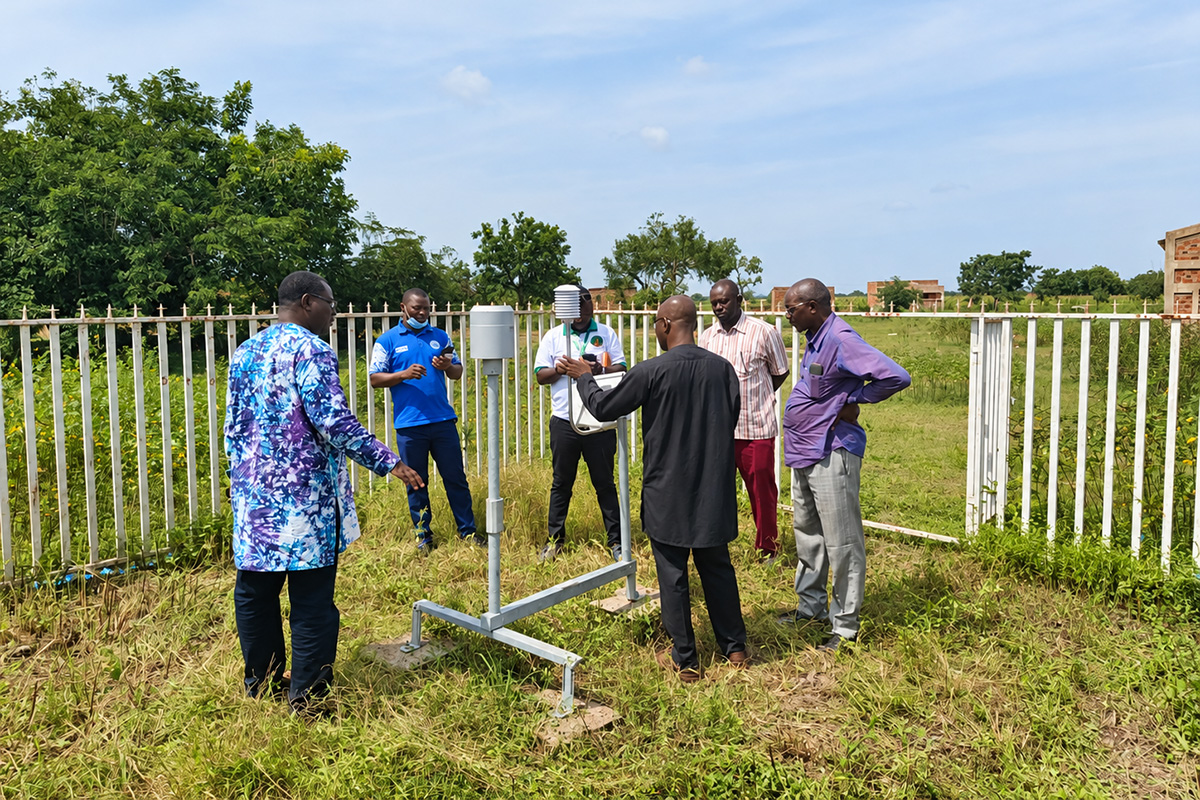
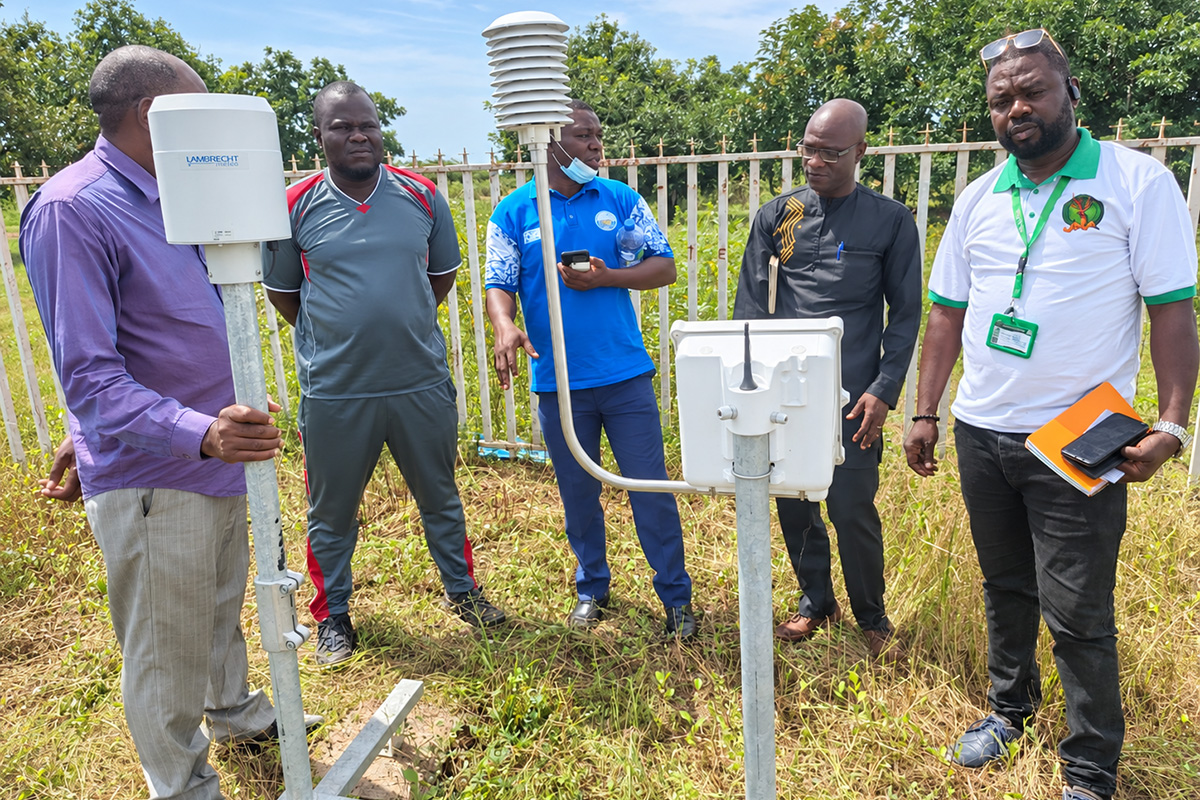
The network of meteorological stations across the territory monitors weather triggers to reduce basic risk. Photo: Ministry of Agriculture, Water, Animal and Fisheries Resources
A sustainable and replicable model for the future
From the outset, the project was intended to lay the foundations for index-based weather insurance that could extend beyond the pilot communes and continue after the project ends. The enthusiastic buy-in from farmers and the positive results in the pilot regions are building a powerful case for scaling this model across the country. To support this, the project’s sustainability strategy focuses on three core pillars: building the skills and expertise needed to sustain the model, integrating lessons into national policy, and fostering a self-sustaining insurance market.
First, the project is investing in the people who will carry the model forward. More than 4,200 farmers have been trained in climate-resilient agricultural practices and more than 1,700 farmers in financial literacy. The project has also trained 55 public- and private-sector professionals in index-based agricultural insurance and climate risk management, strengthening national expertise to design, deliver and monitor agricultural insurance products.
Second, the project is documenting lessons to inform Burkina Faso's national policies on climate adaptation. The project’s outcomes and data will provide an evidence base to help the government refine its climate strategy and formulate more ambitious and quantifiable goals in future revisions of its NDC 3.0. The project has also helped change how agricultural losses are compensated in Burkina Faso. Whereas earlier approaches relied primarily on assessing actual crop losses. The project demonstrated that an index-based approach could work, and this approach is now being rolled out more widely.
Third, the project is working to demonstrate that climate insurance can be commercially viable. By partnering with local businesses such as Yelen Assurance to develop and offer products, it is helping build an insurance market that can continue after the project ends. The project also works with regulators and the Inter-African Conference on Insurance Markets (CIMA) to help shape a legal framework that protects consumers while encouraging innovation.
With the project scheduled to close in mid-2027, its final phase will focus on building on the results and establishing the institutional support needed to sustain index-based agricultural insurance. Lessons from the pilot communes in the Bankui and Liptako regions will help guide potential expansion to other parts of Burkina Faso.
Reaching more farmers will require continued government leadership, strong partnerships between the public and private sectors, sustained investment in weather data infrastructure and technical expertise, and collaboration with trusted local intermediaries. Together, these foundations will help embed index-based insurance in Burkina Faso’s long-term approach to managing climate risk.
EXPLORE MORE STORIES


