Integrating Agriculture in National Adaptation Plans (NAP-Ag)
News & Events
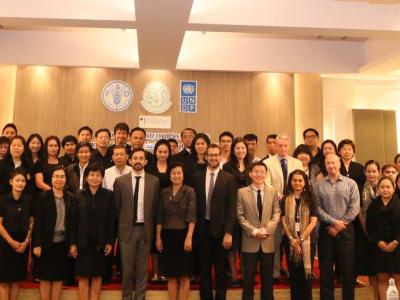
A centerpiece of the Integrating Agriculture in National Adaptation Plans Programme (NAP-Ag) in Thailand is its support to develop a new five-year Strategy on Climate Change in Agriculture (2017-2021).

As one of the countries most adversely affected by climate change, the issue figures prominently in all key national development strategies and plans in Viet Nam.

UNDP aims to engage a wider audience on important issues the concern the world. The webinar, which is presented here, looks at ways in which gender can be mainstreamed in climate change adaptation planning for the agriculture sectors.

The NAP-Ag Programme is pleased to announce a series of webinars that will address technical topics related to the integration of the agriculture sectors in national adaptation planning.

The three-day event is designed to enhance the understanding of the agriculture sector’s role in the National Adaptation Plan (NAP) process and strengthen collaboration.

The National Adaptation Plan for Agriculture Project organized an outreach activity to present the impact assessment strategy of the Ministry of Agriculture, Animal Production and Fisheries (MGAP) of Uruguay.

Julia Wolf, moderator of the event and technical advisor for the NAP-Agriculture Programme for FAO, noted the significant role adaptation is starting to play, as 131 out of 189 countries mention it in their list of national priorities.
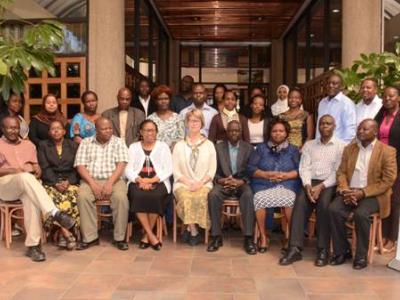
As a follow up to a capacity needs assessment on gender knowledge in key government institutions, the FAO Kenya and the UNDP Kenya organized a three days training in Nakuru to improve the capacity to integrate gender issues in climate change adaptation planning for the agriculture sector.

The Government of Nepal, UNDP and the Food and Agriculture Organization on Monday launched a new project to integrate climate change adaptation in the agriculture sector.

While launching the project in Mukono, the Minister for Agriculture, Animal Industry and Fisheries, Honourable Vincent Ssempijja, said that agriculture is a central part of Uganda’s continued growth, accounting for 24% of GDP and directly employing over 65% of the total population.