The Least Developed Countries Fund (LDCF) is the only global fund dedicated to helping Least Developed Countries adapt to climate change. Managed by the Global Environment Facility, the LDCF supports locally led solutions across agriculture, water, health, infrastructure, and beyond – strengthening systems, scaling finance, and building resilience where it’s needed most. The LDCF has delivered more than $2.35 billion in grants to date – supporting the transition from incremental to transformational adaptation across 51 countries.

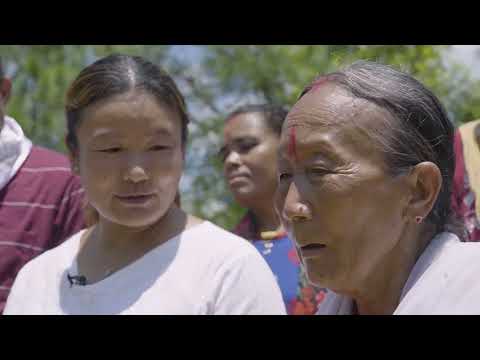
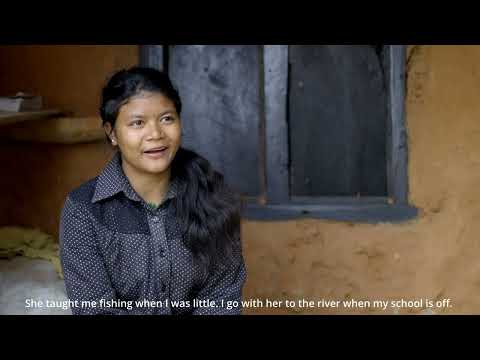
In Nepal’s mountain regions, climate change is driving more intense monsoon rainfall and increasing snow and glacial melt rates. These trends are contributing to more frequent and severe floods and landslides, resulting in extensive damage to agriculture, property, and the environment, thereby disrupting lives and livelihoods and threatening food security. At the same time, water scarcity and droughts are also threatening agriculture-reliant livelihoods.


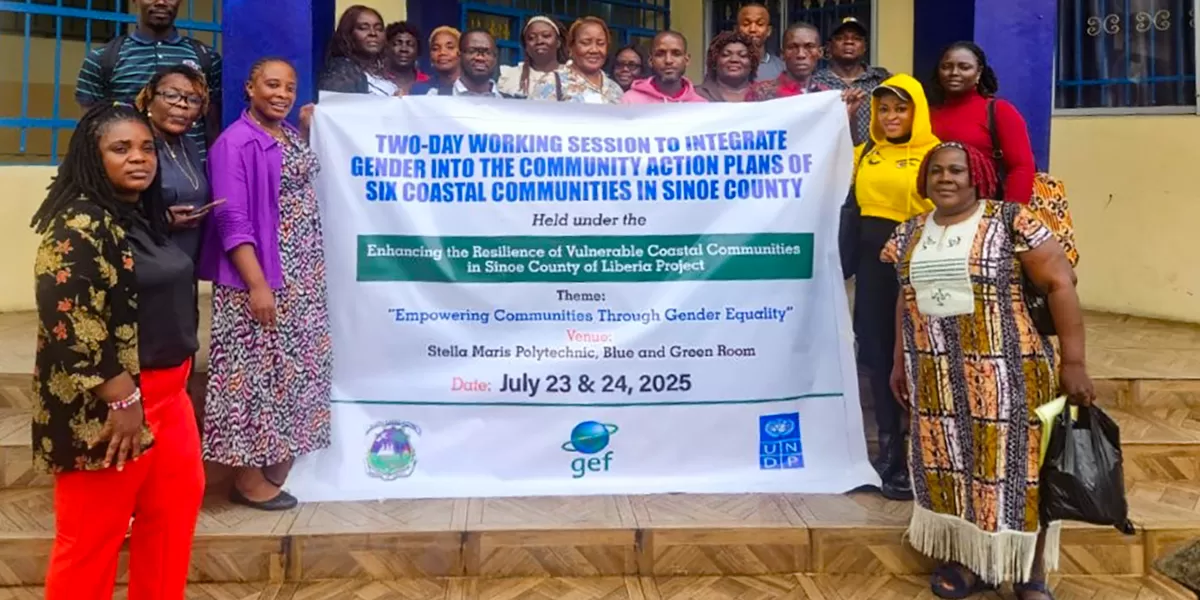
Environmental Protection Agency of Liberia and partners integrate gender into community action plans