Sorry, you need to enable JavaScript to visit this website.
Skip to main content

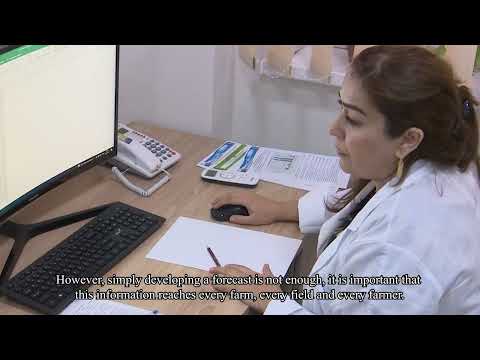
Climate change is reshaping seasons (hotter sun, later rains, stronger winds) affecting livelihoods across the region. For farmers, this means uncertainty. Knowing when to plant or protect crops can make all the difference. Timely weather information is key to adapting and helping reduce risks and make better decisions. Through the National Adaptation Plan project, supported by the Green Climate Fund, UNDP works with the Government of Tajikistan to understand climate risks and integrate adaptation into national planning.
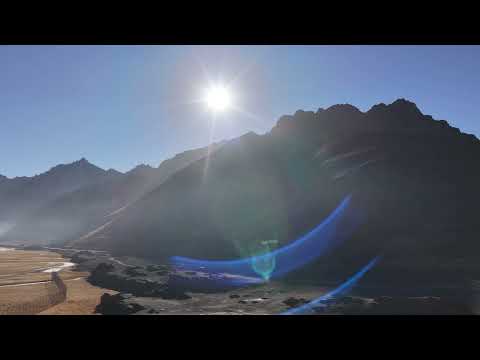
From water quality and food security to heat stress and air pollution, climate impacts are placing growing pressure on communities in Tajikistan. Through the National Adaptation Plan (NAP) process, supported by the Green Climate Fund, UNDP is working alongside the Government of Tajikistan to better understand climate risks, strengthen resilience, and integrate adaptation into national planning and decision-making.
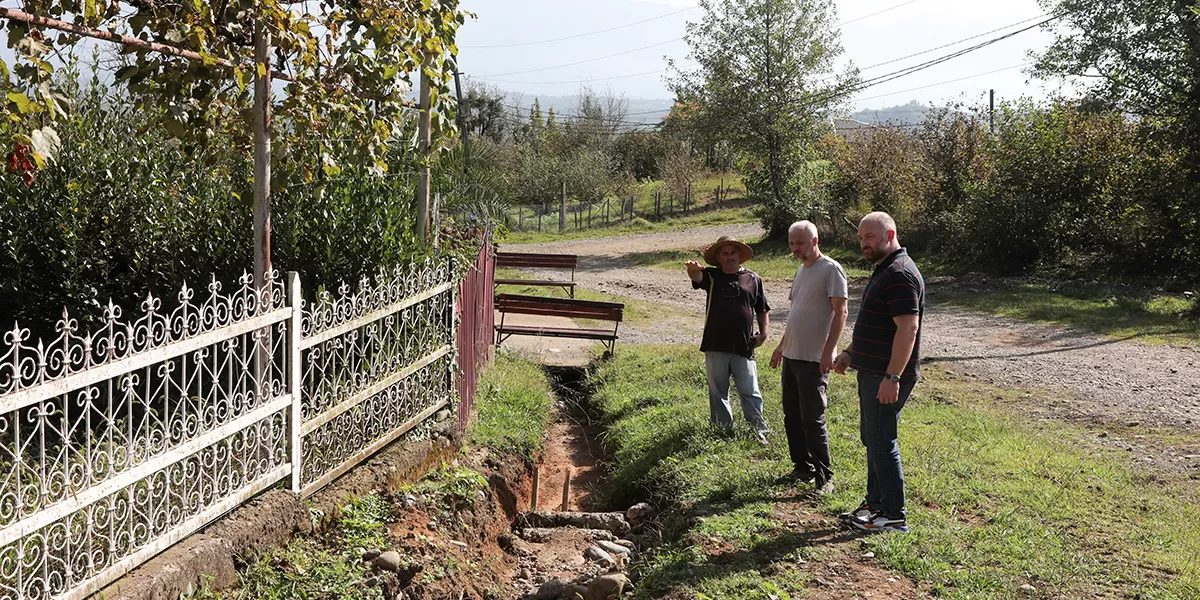
UNDP, Green Climate Fund, and Switzerland support community-led action to reduce disaster risks across Georgia
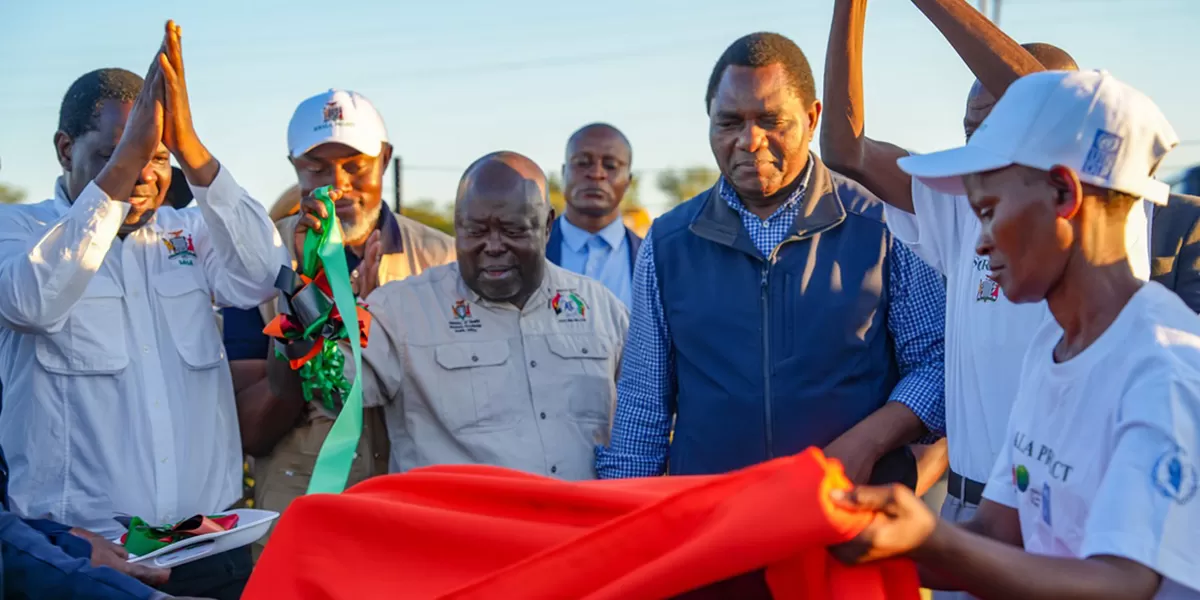
The 25ha irrigation system draws water directly from the Zambezi River, providing reliable, year-round irrigation to 73 households.
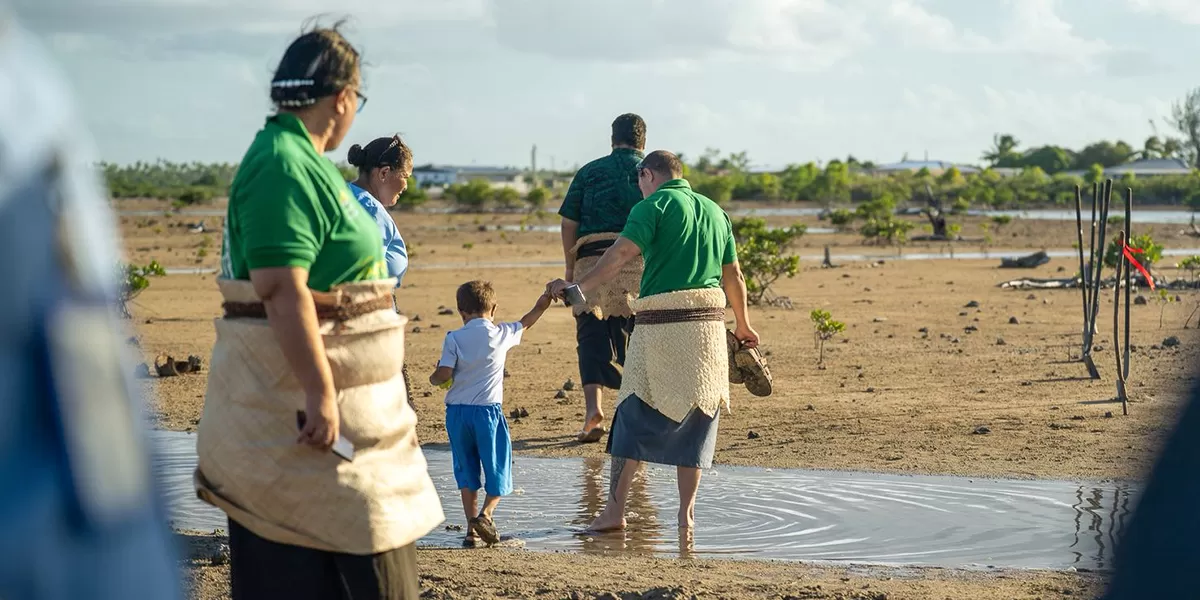
As the Pacific steps into a defining climate moment ahead of COP31, Tonga is doing the work now — building the evidence base that will shape decisions for generations.
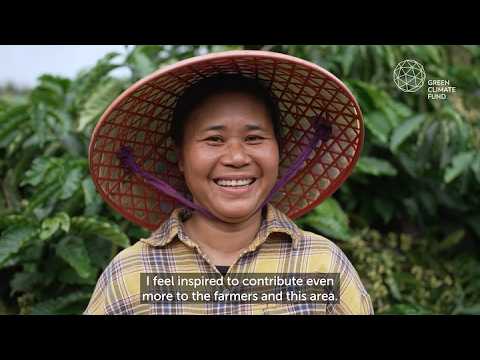
his project is helping farmers adapt by improving water management, strengthening climate-resilient agriculture, and connecting farmers to the knowledge, finance, and markets they need to thrive.
In a changing climate, certainty is rare. But knowledge, shared in familiar voices and trusted spaces, can restore confidence.
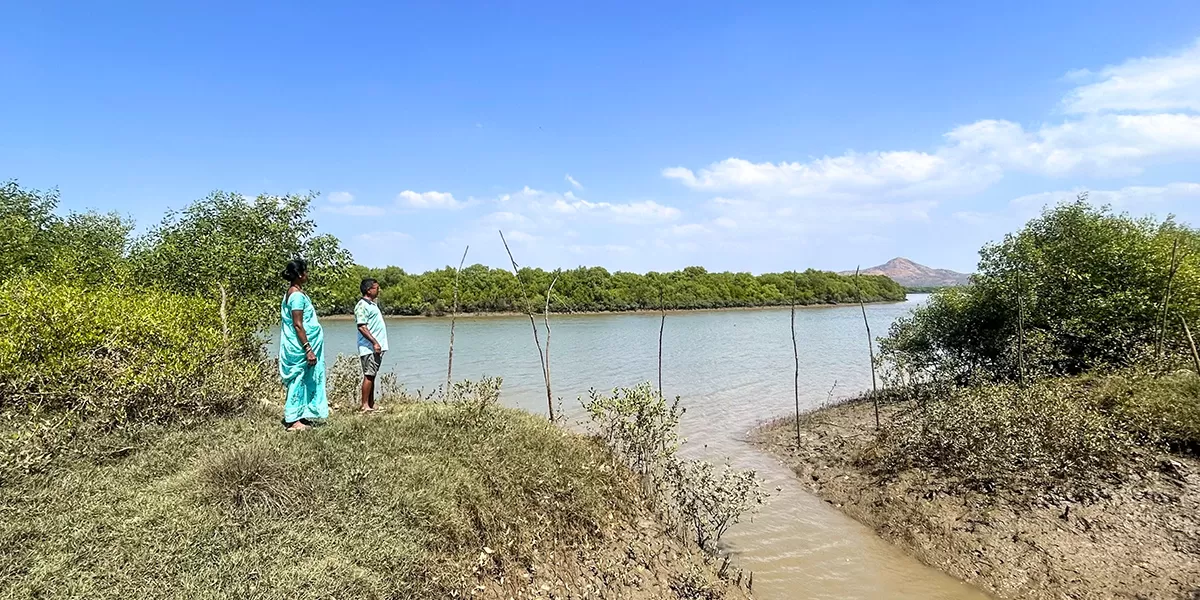
Mangrove restoration in the small village of Khardi has revived ecosystems, livelihoods and community pride.
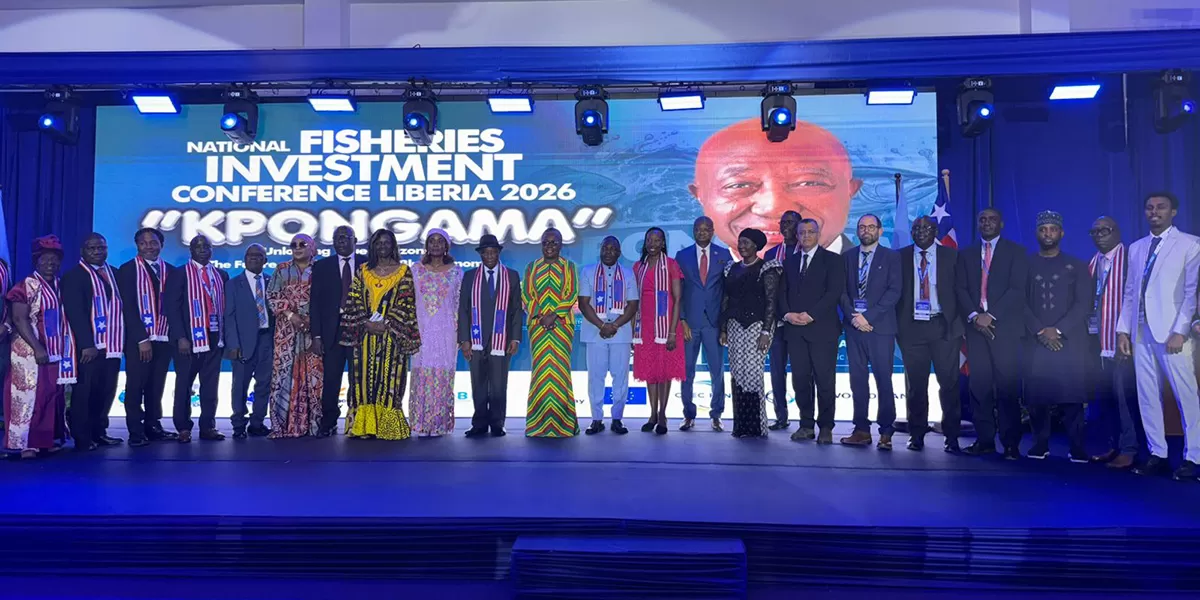
Coastal communities face climate and economic pressures. Investments in adaptation and sustainable fisheries are driving blue growth.