In Uzbekistan, reaching people during disasters remains a challenge; mosque loudspeakers will now broadcast alerts to 6.5 million people.

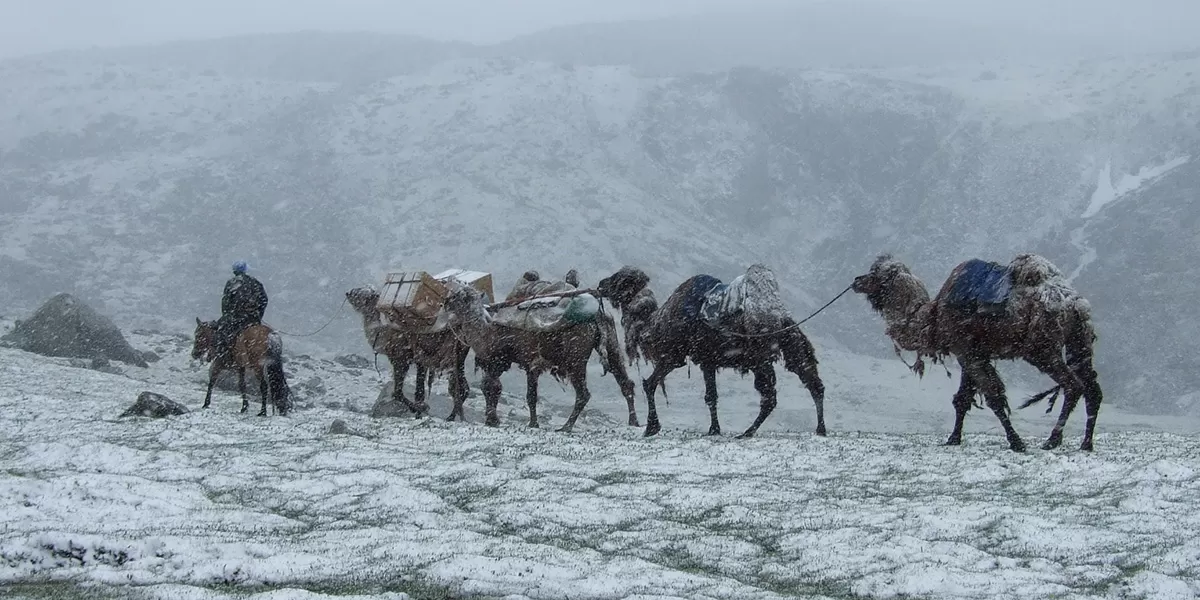
Five decades of UNDP–NAMEM collaboration are enhancing data, modelling and early warnings to help Mongolia manage climate risks.
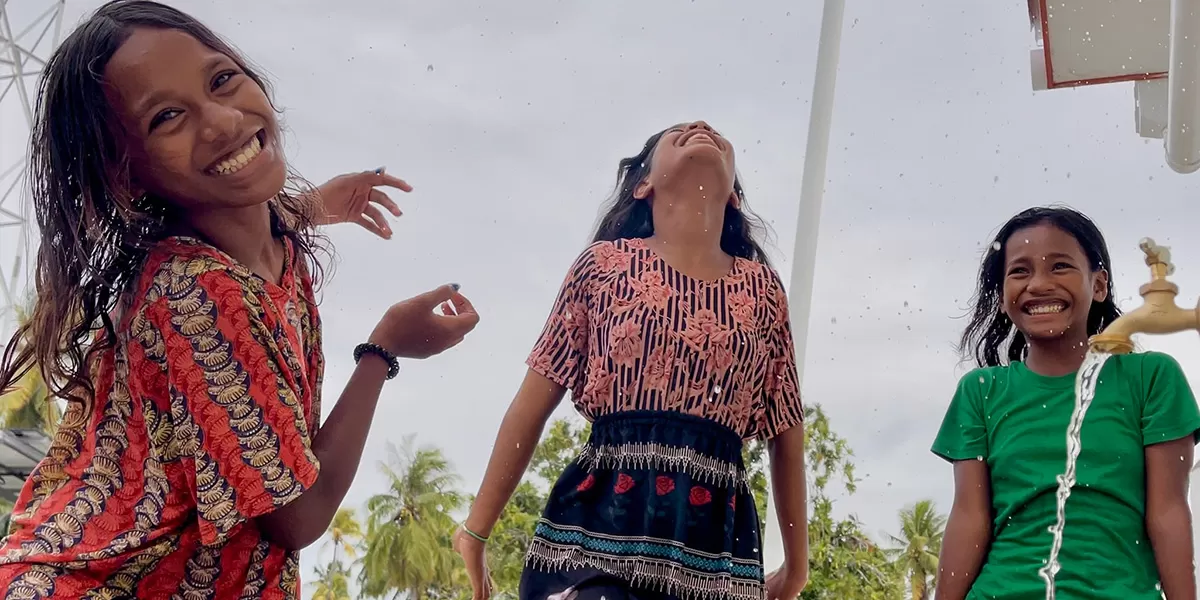
On the outer atolls, families relied on fragile rainwater and brackish wells. Now, community-led systems deliver reliable, safe water.
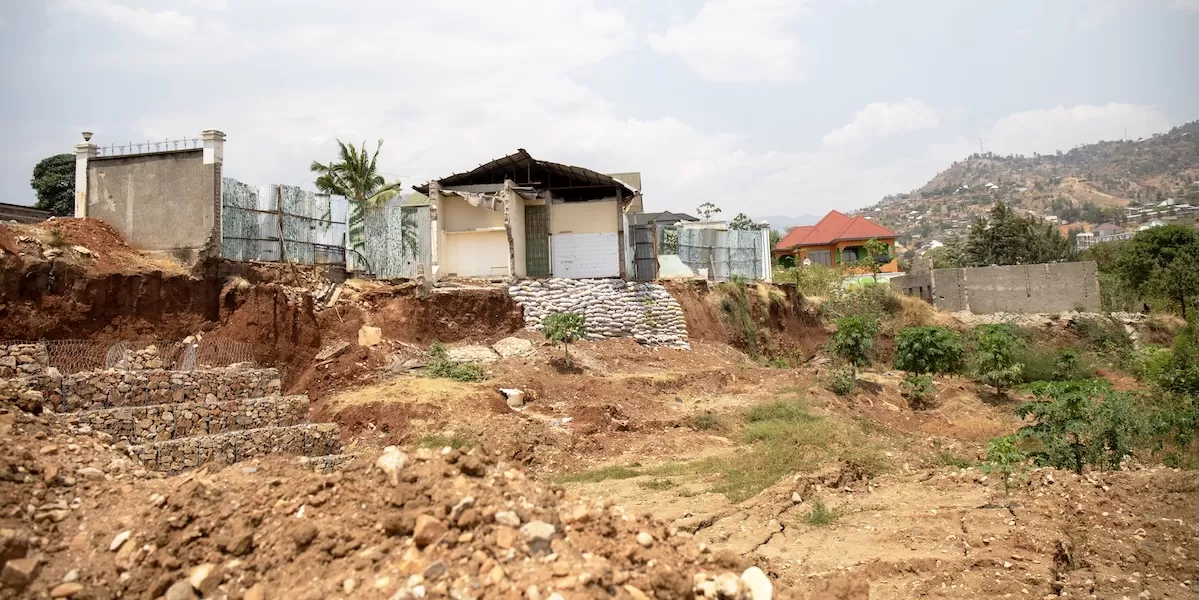
Burundi is strengthening climate resilience through inclusive National Adaptation Plan development and capacity-building efforts.
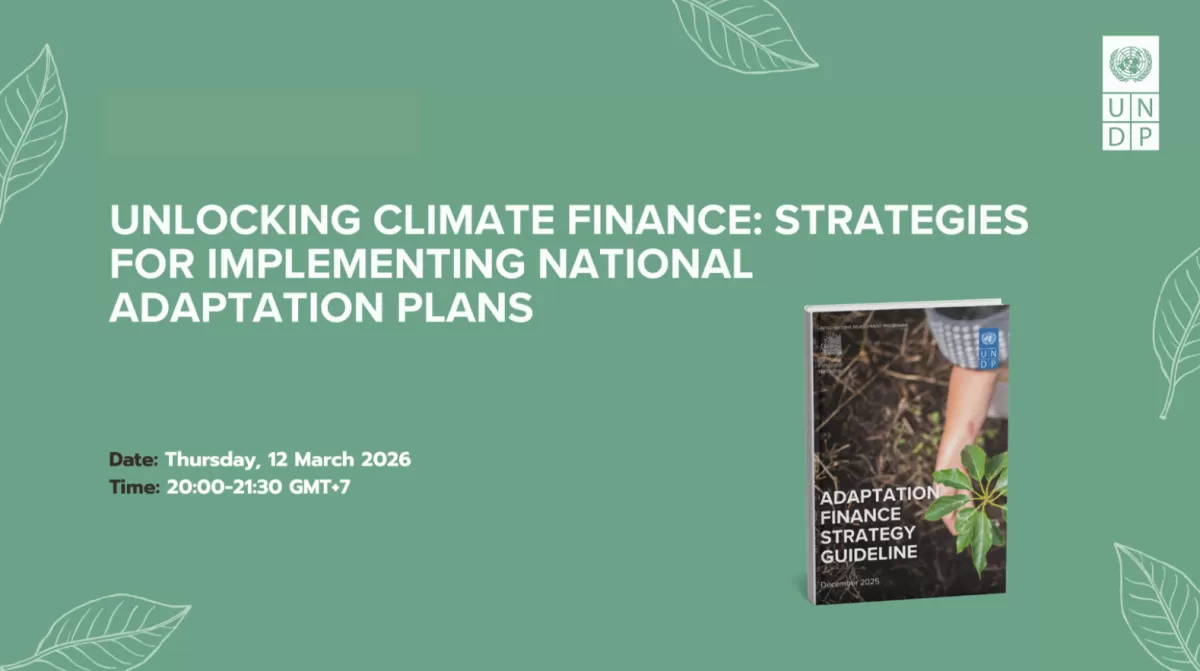
This webinar presented the AFSG and illustrated how it drew on country experiences, proven business models and financing approaches to strengthen systems, align financing with national adaptation priorities, and scale up investment together with other partners.
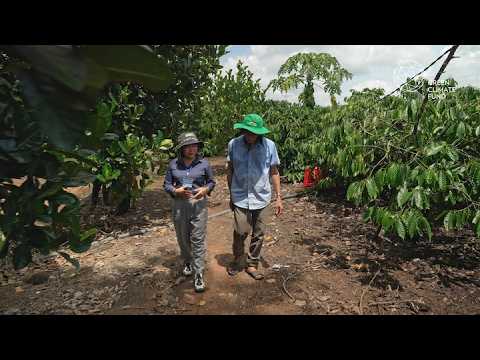
This GCF-UNDP project is helping vulnerable smallholder farmers manage growing climate risks by improving water management for agriculture.
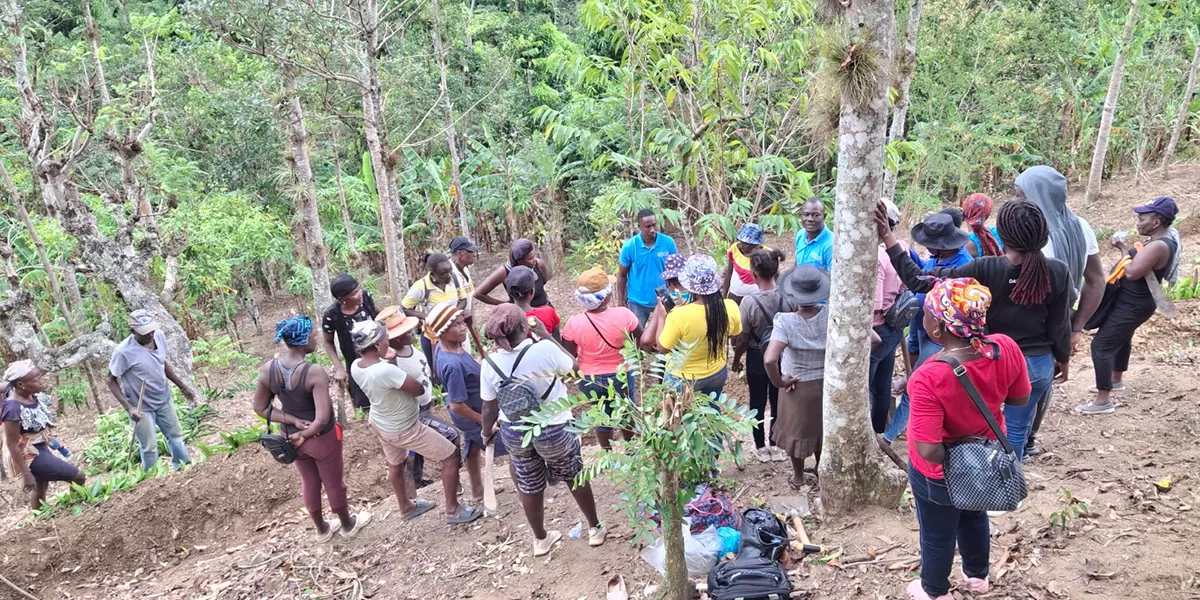
In the Trois-Rivières watershed in northern Haiti, women are committed to strengthening the climate resilience of their communities.
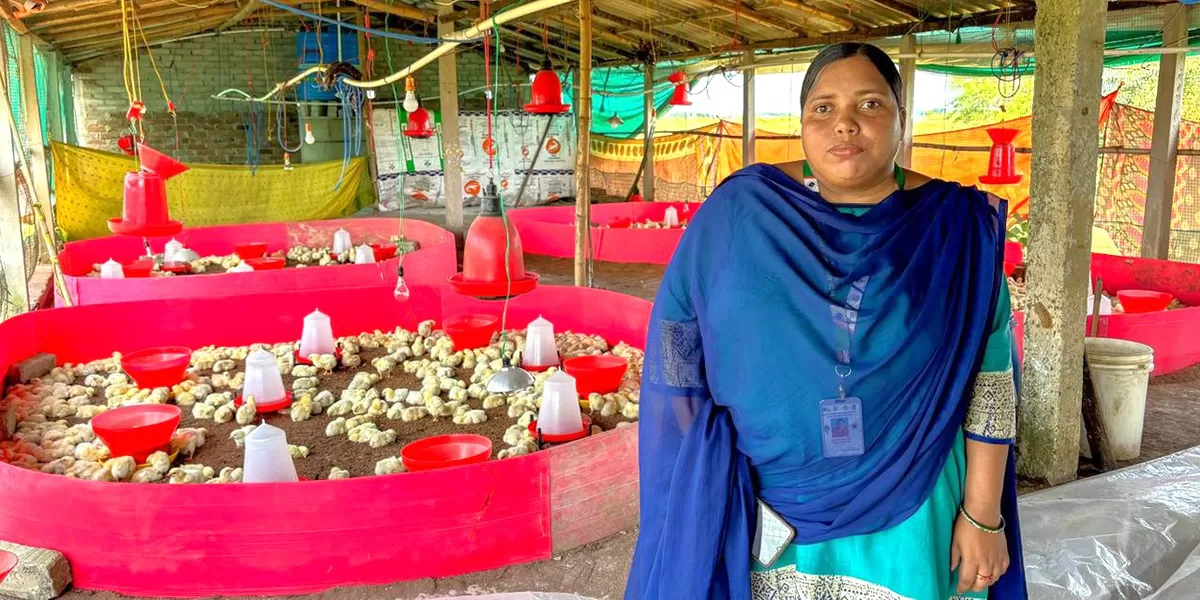
On the cyclone-prone coast, Rehana is helping farmers adopt climate-resilient livelihoods while challenging barriers around gender and disability.
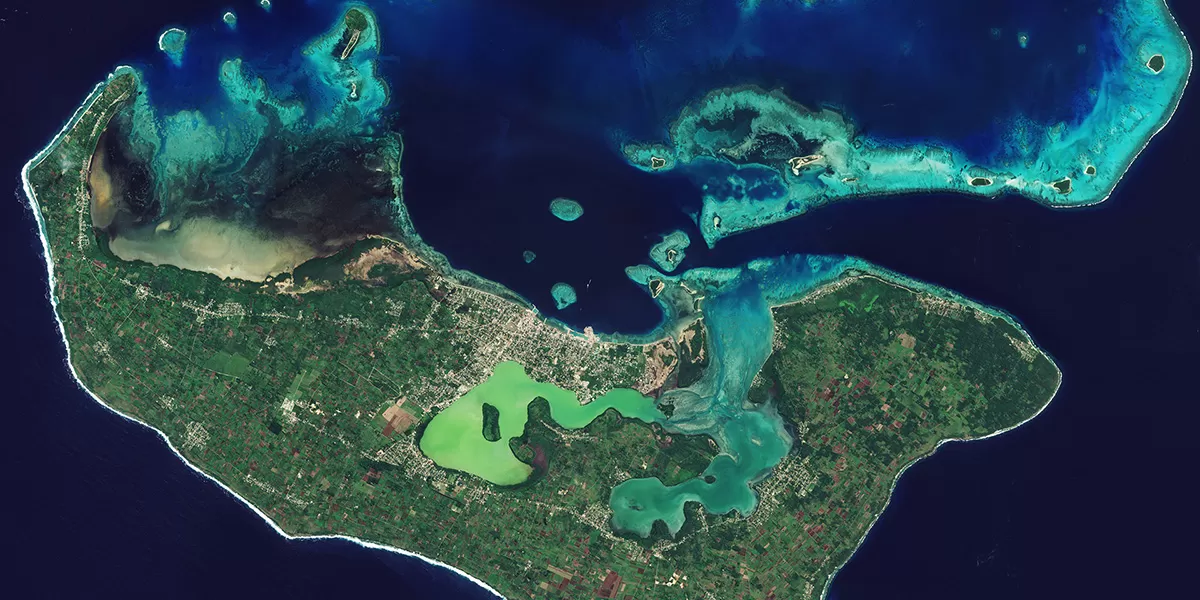
New high-resolution coastal data will help Tonga model sea-level rise, strengthen disaster preparedness and guide long-term adaptation.