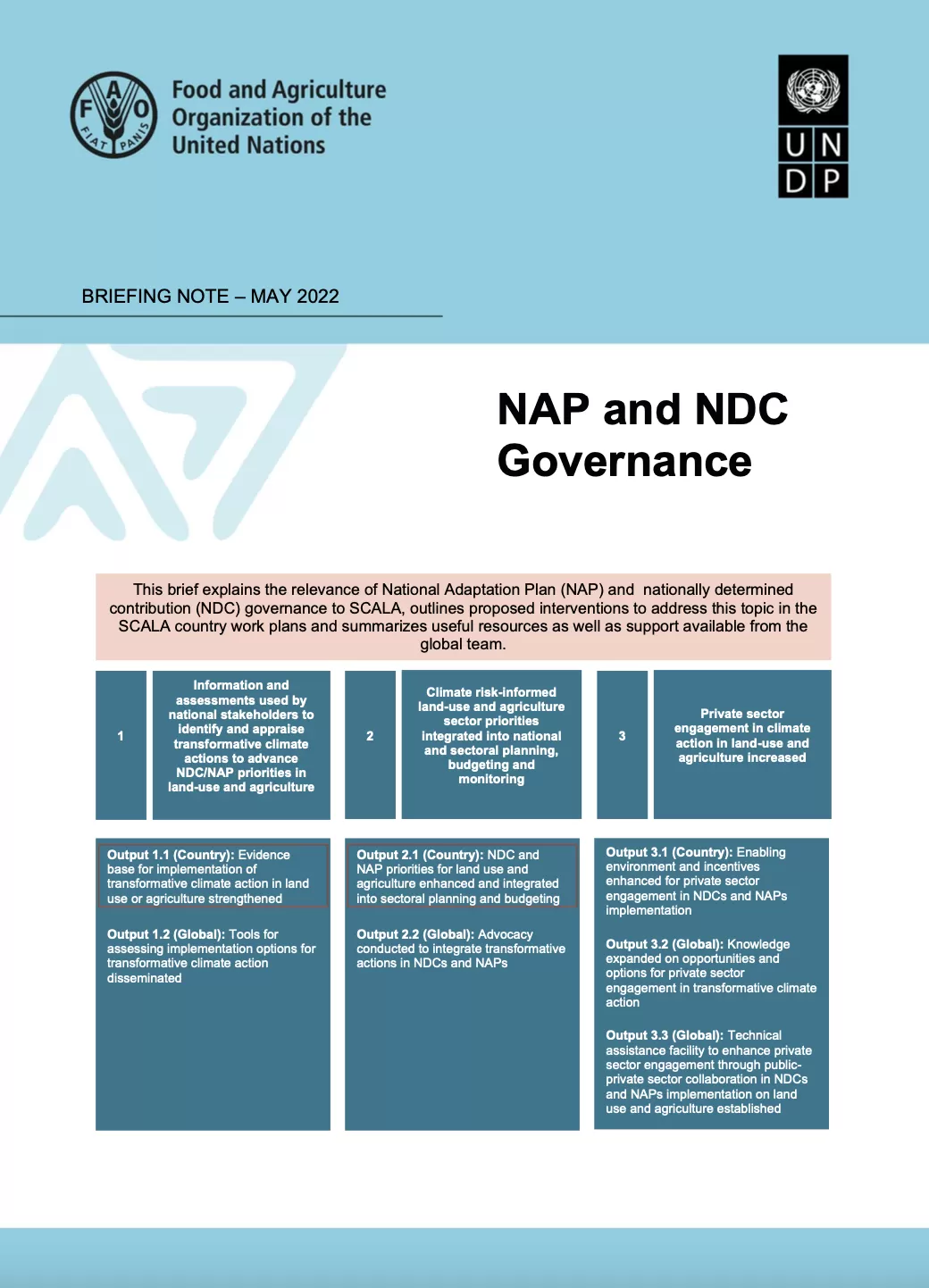
This brief explains the relevance of National Adaptation Plan (NAP) and nationally determined contribution (NDC) governance to SCALA, outlines proposed interventions to address this topic in the SCALA country work plans and summarizes useful resources as well as support available from the global team.
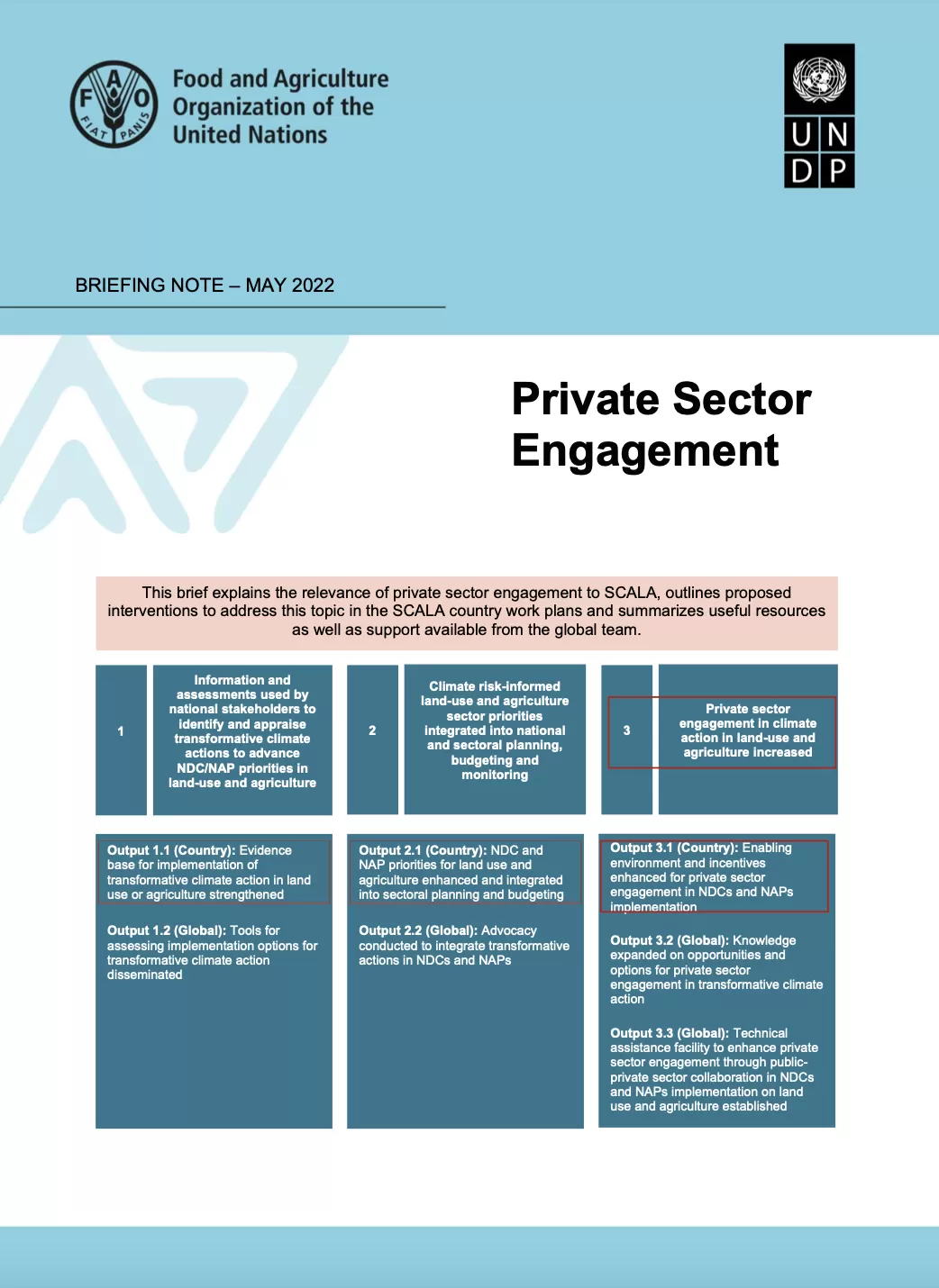
This brief explains the relevance of private sector engagement to SCALA, outlines proposed interventions to address this topic in the SCALA country work plans and summarizes useful resources as well as support available from the global team.
This brief explains the relevance of gender equality and social inclusion to SCALA, outlines proposed interventions to address this topic in the SCALA country work plans and summarizes useful resources as well as support available from the global team. Addressing the gender equality and social inclusion (GSI) gap in NDCs and NAPs calls for inclusive, whole-of-government climate action in land-use and agriculture.
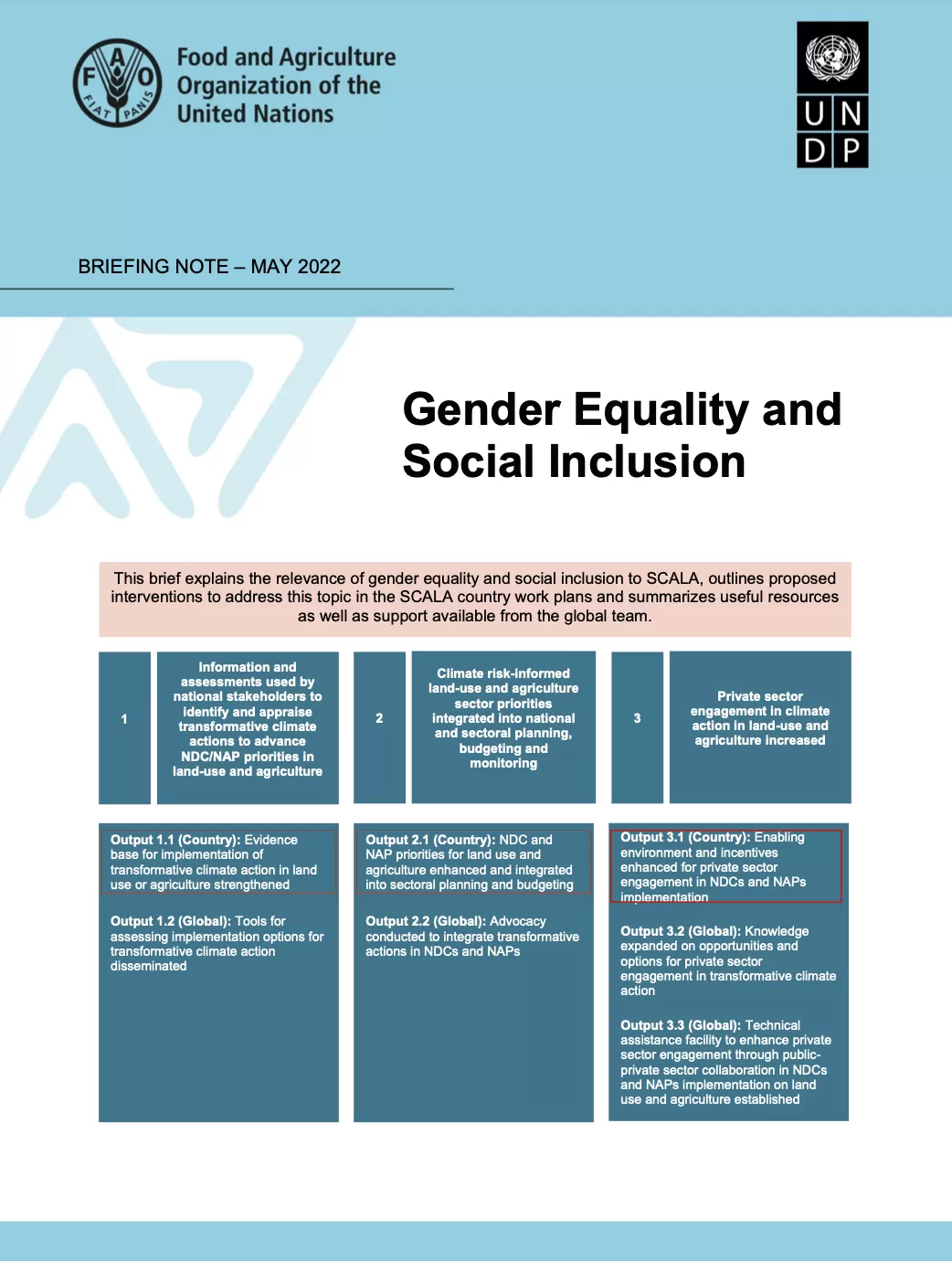
This brief explains the context and recommended approach to designing work under the SCALA programme Activity 2.1.2: Improve/develop measuring, reporting and verification(MRV) and (monitoring and evaluation) M&E systems at national and/or sectoral level for monitoring and reporting on the UNFCCC, CBD, SFDRR and SDGs in regard to mitigation and/or adaptation in land-use and agriculture, including collection of gender disaggregated data.
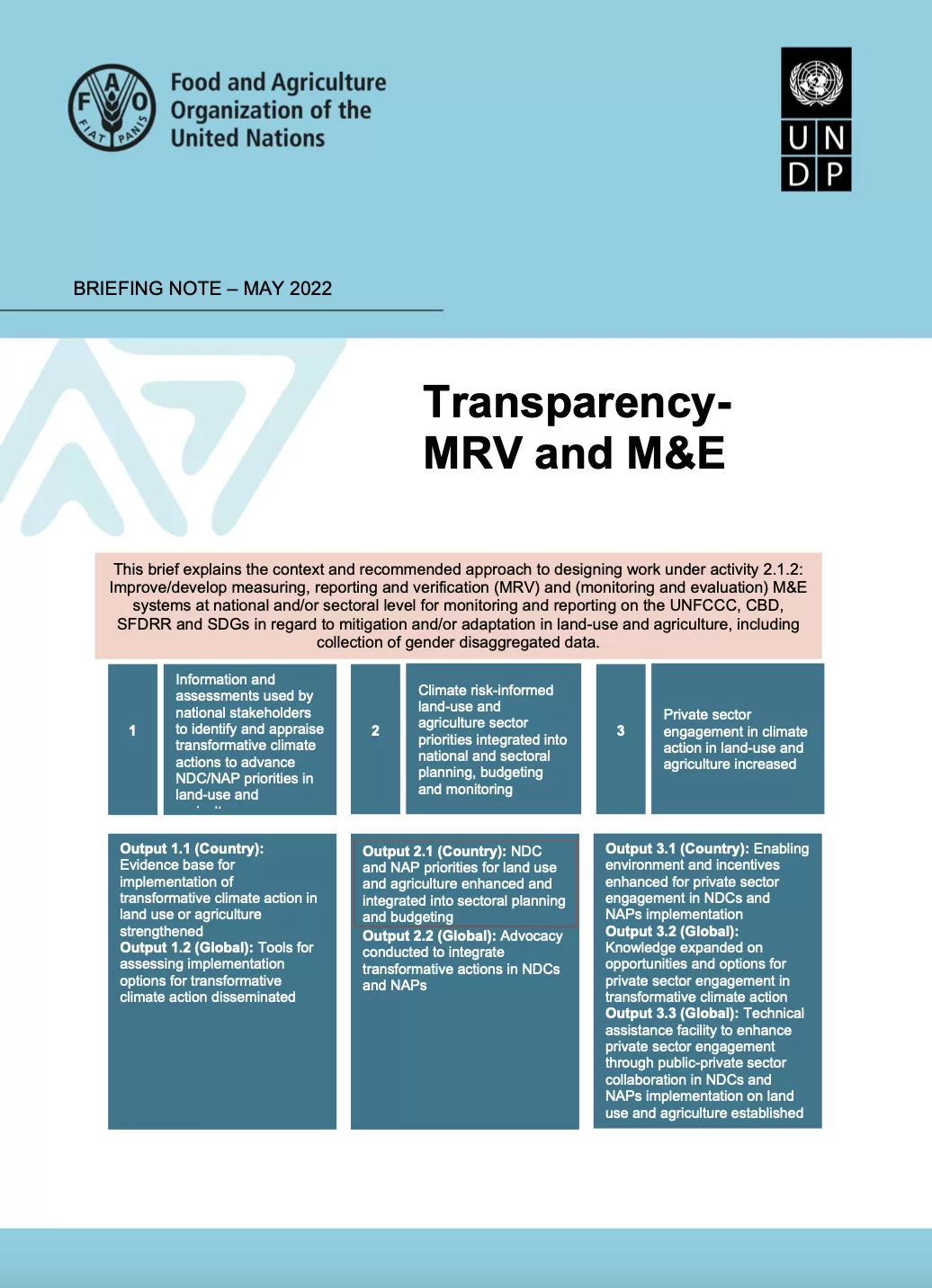
This brief provides an overview of systems-level assessments and what they might entail under the SCALA programme. It discusses the methodologies, tools and resources that can be applied in undertaking these assessments through Activity 1.1.2 of the programme, which in turn can inform the design and implementation of activities under Outcomes 2.1 and 3.1.
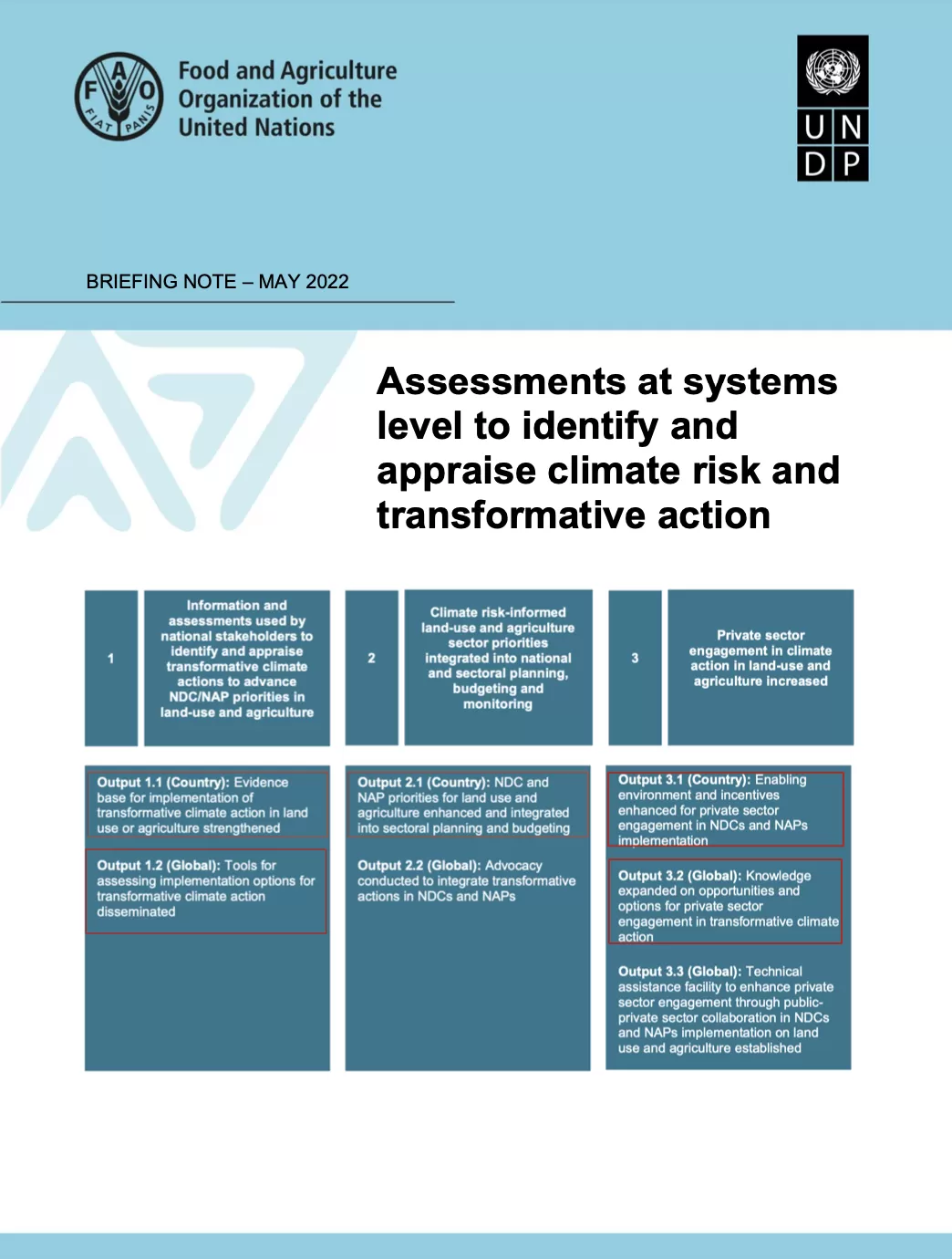
This brief explains the context of the SCALA programme’s approach to transformational adaptation, which refers to a change in the fundamental attributes of a socioecological system in anticipation of climate change and its impacts, in contrast to incremental adaptation, which is adaptation that maintains the essence and integrity of a system or process at a given scale.

This Inception Report complements SCALA Senegal’s project documentation with the outcomes of the inception activities. The report is available in French and also has an Executive Summary available in English. It specifies the SCALA inception activities undertaken by UNDP and FAO, in close collaboration with the Ministry of Environment and Sustainable Development and the Ministry of Agriculture and Rural Equipment in Senegal.