The Least Developed Countries Fund (LDCF) is the only global fund dedicated to helping Least Developed Countries adapt to climate change. Managed by the Global Environment Facility, the LDCF supports locally led solutions across agriculture, water, health, infrastructure, and beyond – strengthening systems, scaling finance, and building resilience where it’s needed most. The LDCF has delivered more than $2.35 billion in grants to date – supporting the transition from incremental to transformational adaptation across 51 countries.
New initiative backed by the Global Environment Facility empowers communities in climate-vulnerable regions to enhance resilience and sustainable development.

The SARTLA project responds to the increasing impacts of climate change on Liberia’s agriculture-dependent economy and ecosystems.

In Puntland, stone walls are restoring rangelands damaged by floods and deforestation, helping herders feed their animals and rebuild livelihoods.

Climate impacts are intensifying across Liberia. The country is seeking finance and partnerships to accelerate action.
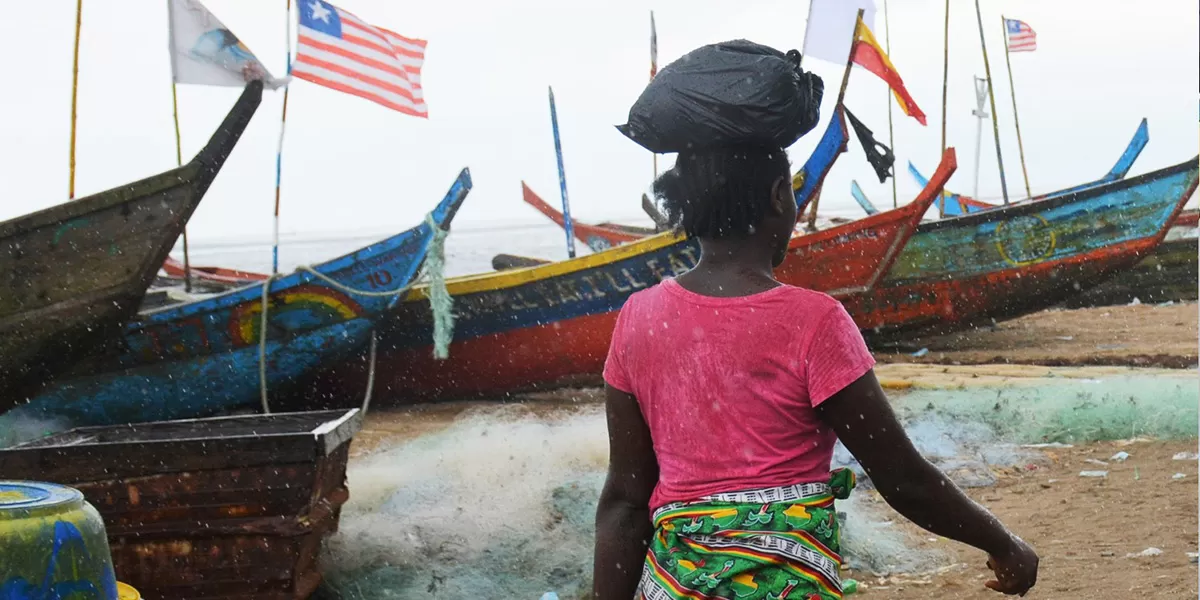
Comoros is tackling water scarcity with climate-smart planning, resilient infrastructure and community action to secure safe water for all by 2030.

New project comes a crucial time with communities in the area vulnerable to increasing threats from floods and landslides driven by climate change.

In June 2025, GEF CEO Carlos Manuel Rodriguez met ACREWAS project communities in Bhutan, witnessing local engagement in boosting water resilience.

Bangladesh’s small island communities face rising climate risks. Adaptation efforts aim to protect livelihoods and support long-term resilience.
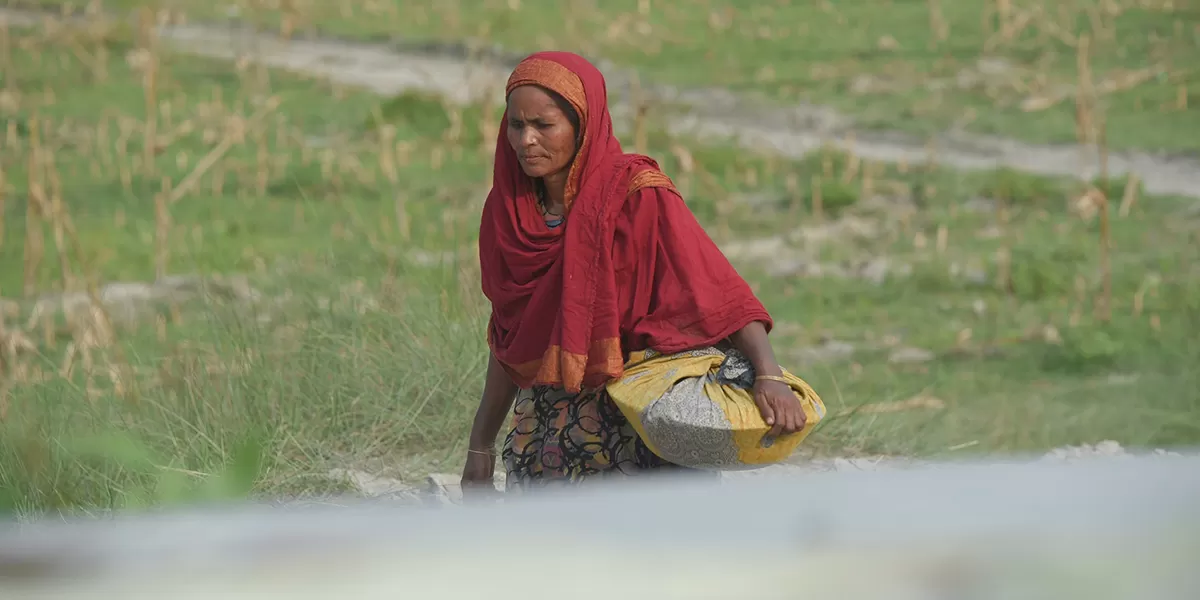
The Environmental Protection Agency (EPA) of Liberia, in collaboration with UNDP is set to implement the US$10 million Strengthening Agricultural Resilience through Transformational Livelihood Adaptation (SARTLA) project in Liberia.
