The Least Developed Countries Fund (LDCF) is the only global fund dedicated to helping Least Developed Countries adapt to climate change. Managed by the Global Environment Facility, the LDCF supports locally led solutions across agriculture, water, health, infrastructure, and beyond – strengthening systems, scaling finance, and building resilience where it’s needed most. The LDCF has delivered more than $2.35 billion in grants to date – supporting the transition from incremental to transformational adaptation across 51 countries.
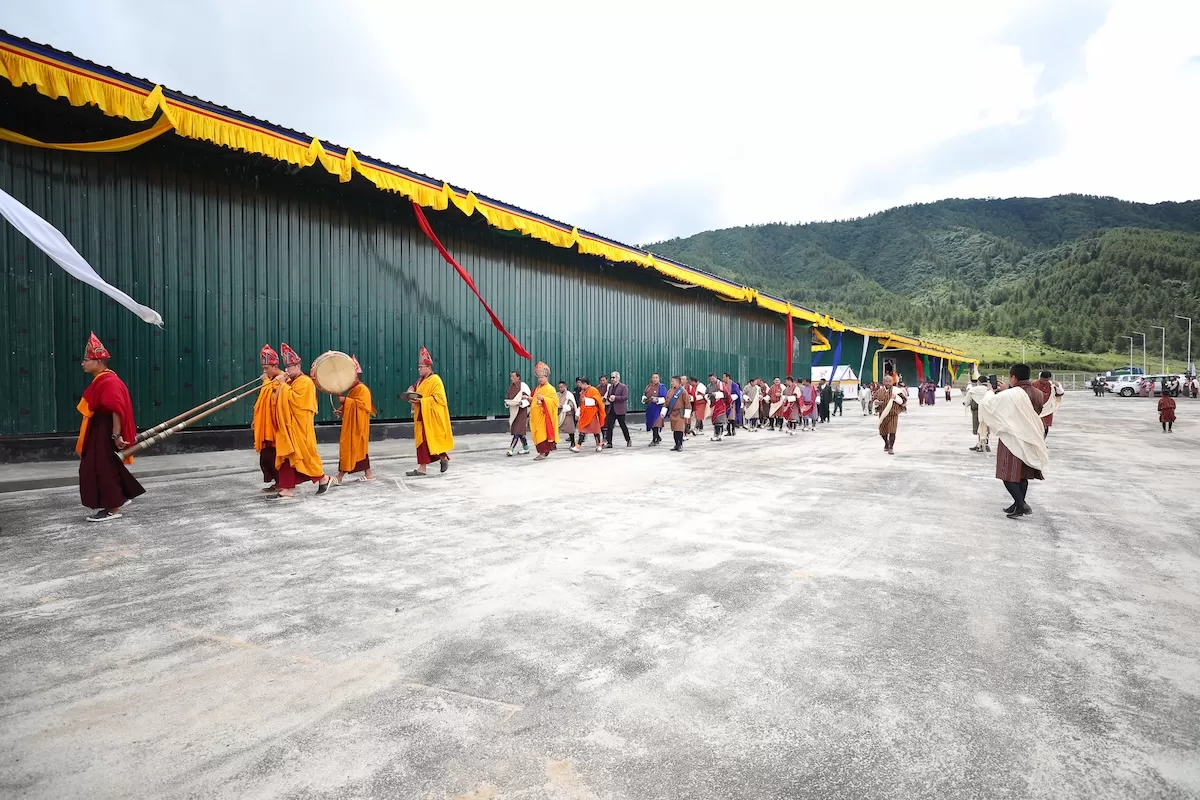
Bhutanese potato farmers faced long, costly trips to sell their crops; a new trade center now offers local, efficient online auctions.
Crucial assistance is on the way for countries as they endure the economic disruption and heartbreak of a world at war and an ever-warmer planet.
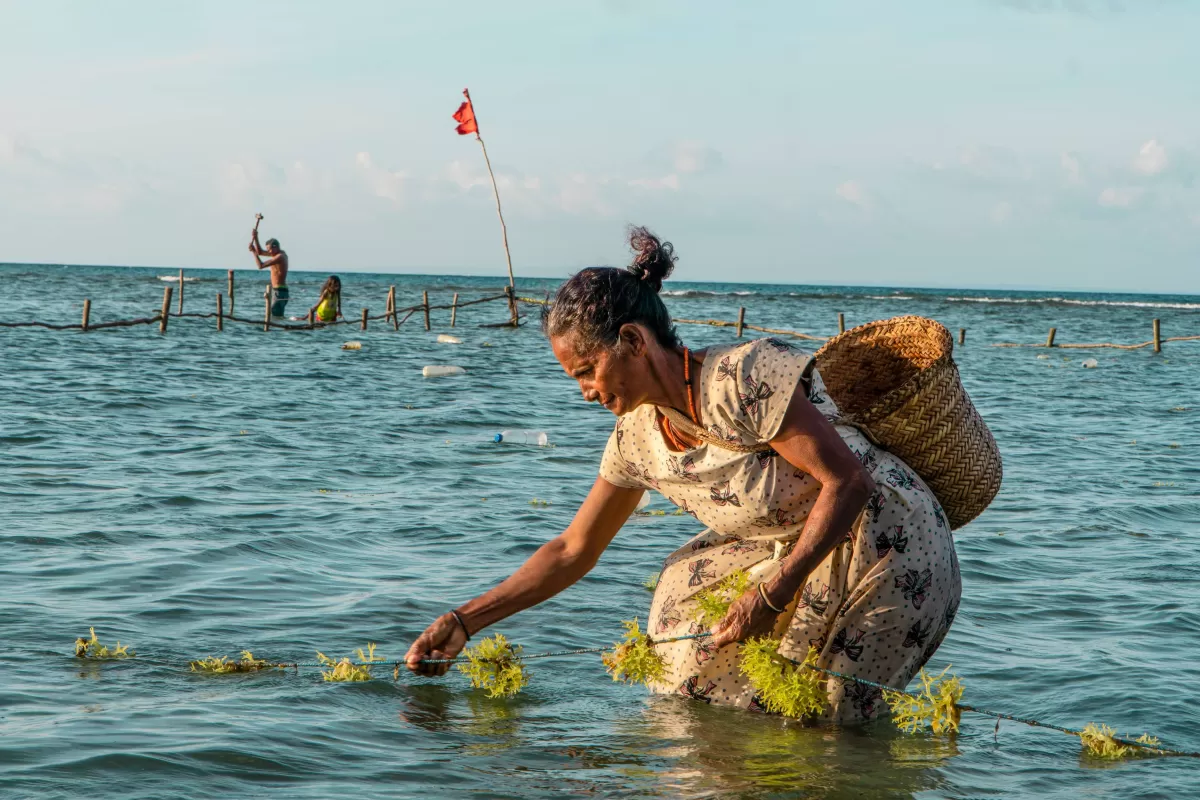
The council of the Global Environment Facility’s Least Developed Countries Fund (LDCF) and Special Climate Change Fund (SCCF) has approved more than US$36 million towards boosting climate resilience and fostering inclusive, green economic development in Cambodia, Comoros, São Tomé and Principe, and Somalia.

Bhutan’s NAPA II project boosted national and local capacity to manage climate-induced disasters and protect lives, livelihoods and infrastructure.

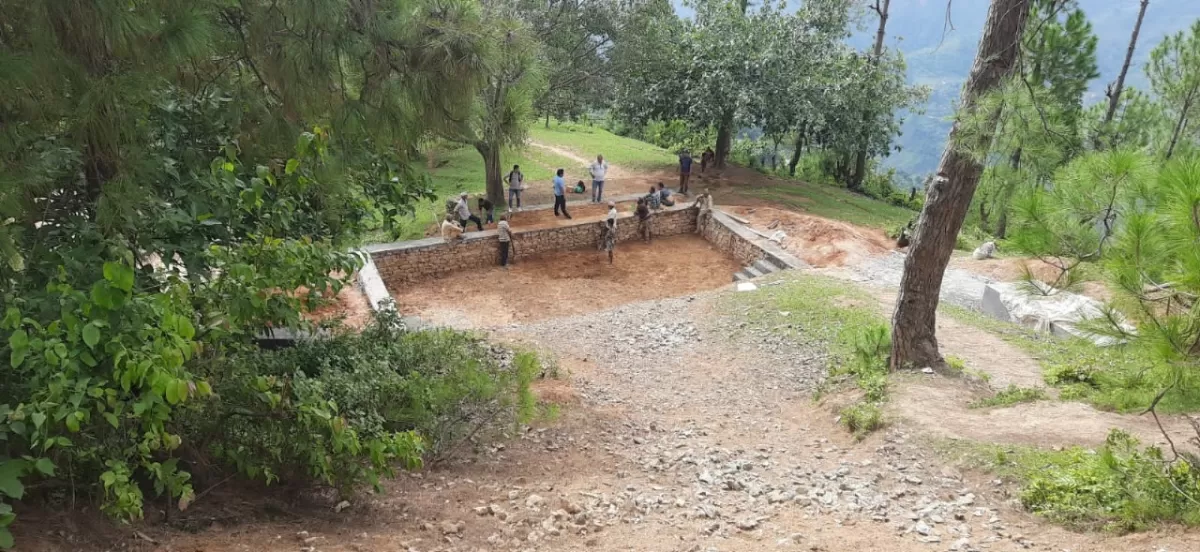
As climate change erodes Majhi traditions in Nepal, new practices are strengthening livelihoods and safeguarding heritage.
The nature-based adaptation project reflects a growing shift towards integrated, long-term solution in mitigating the impacts of climate change.

This comprehensive approach seeks to lay the foundation for a sustainable and resilient Somalia, where communities thrive and nature is preserved.

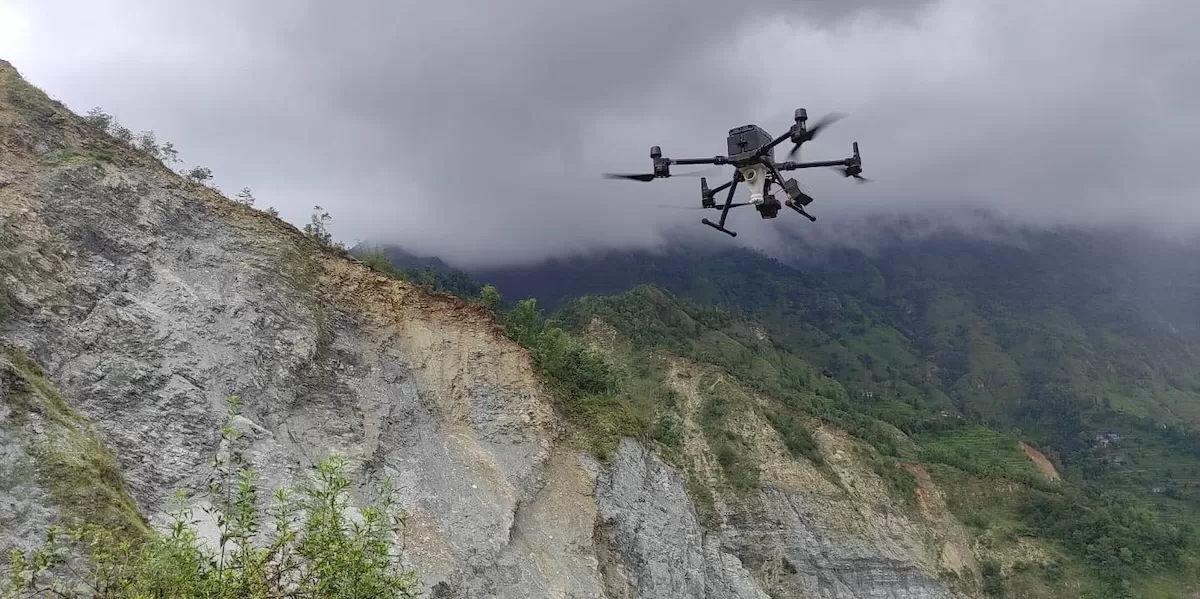
Deforestation threatens Nepal’s forests and livelihoods. Drones are seeding hope on steep degraded slopes.
The project will enhance the capacity of national and local health systems to manage critical health risks posed by climate change.
